PPH PROTECT: Youth AI safety testing, market by market and age by age
Find youth safety failures that emerge over time – and vary by age, language, and culture
Local child-development experts help us test your AI product the way real kids talk, to see where it fails young users before release.
Trusted By






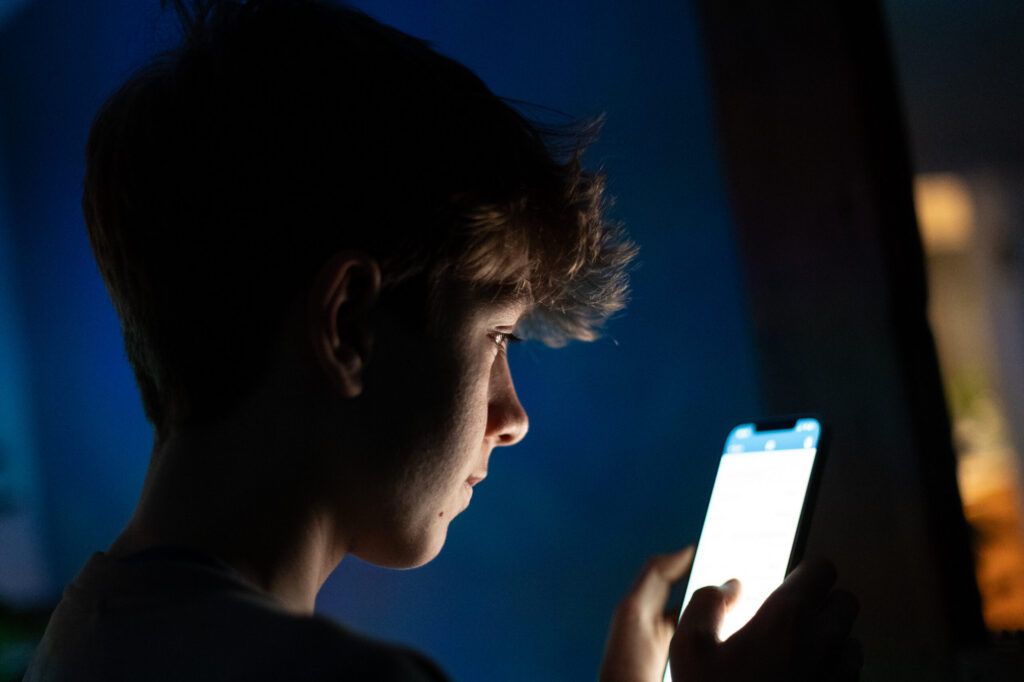
A safe answer for a 17-year-old can harm a 9-year-old.
Advice that fits a teen can put a younger child at risk. PPH Protect finds where your AI misses that line.

Risk builds over long conversations
Grooming, dependency, and self-harm risks unfold across many conversations. PPH Protect follows them turn by turn, where single-prompt checks never look.
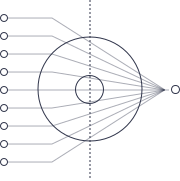
Generic testing misses how kids really talk
Age, language, and culture change how young users phrase things and read responses. Safeguards tuned for adults can miss risks hiding in a child’s words.
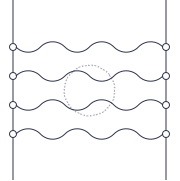
Findings without priorities stall releases
A long list of flagged issues doesn’t tell your team what failed, how serious it is, or what to fix first, leaving launch decisions to guesswork.
FAQs
What teams ask us most
From how personas are built to what happens after testing, here’s what to expect.
All
Questions
All
We already have guardrails and internal testing. Why add this?
Internal safety testing is often run by the same teams that build the product. PPH Protect is an independent evaluation that runs extended, multi-turn conversations with simulated youth personas to find where safeguards weaken as trust, context, and emotional intensity build. Personas, scenarios, and age-specific answer keys are built with child-development experts in each market, so testing reflects how young people actually talk, not translated English test sets. Because PPH isn’t owned by an AI developer or platform, your results give leadership, partners, and regulators credible third-party evidence, not self-reported claims.
Are real children involved in testing?
No. All testing uses simulated youth personas. No child ever interacts with your product, and no student or user data is required.
What risks do you test for?
PPH Protect evaluates risks such as grooming, emotional dependency, self-harm, and other harms that can develop gradually over a conversation. Results are broken down by risk category, so you can see exactly where your product is strongest and where it needs work.
Will you publish a rating of our product?
No. Pilot findings are private and shared with your team.
Which ages, languages, and formats do you cover?
Testing covers age bands from 6 to 17, each with its own answer key, and personas built with local experts in each market. Testing starts in US, UK, and Australian English, in text. More languages, voice, images, and video are in active development.
What does my team receive?
You receive private risk ratings by category, age band, and locale, along with the exact flagged conversations behind each rating and specific recommendations for improvement. Findings are scored by severity, so your team knows what to fix first.
Can this prove our product is safe?
The assessment provides evidence of performance within the agreed testing scope. It does not guarantee safety in every interaction. As models and product behavior change, ongoing evaluation can help identify new failures.
How often should we retest?
Model updates, new system prompts, and setting changes can weaken safeguards without any visible sign. Regular retesting catches these silent regressions as they happen, and regular persona and scenario refreshes keep testing current with youth language and emerging threats. Each evaluation also builds a baseline, so you can track progress over time.
How do you protect our data and evaluation results?
PPH is SOC 2 Type II compliant and ISO 27001:2022 certified. Evaluations run on Avocado, our evaluation engine, with expert review in pZero, our proprietary workbench, and your data and results are kept confidential.
What does a pilot involve?
A private pilot tests one product in one market across all age bands with simulated youth personas, and delivers prioritized findings with the flagged conversations behind them. To start, we need access to your product through an API or test accounts, and a 30-minute scoping call to agree on risk categories.
BENEFITS
Why AI teams choose PPH Protect
Deeper testing, clearer priorities, and independent results to help you ship safely for youth.
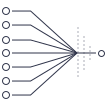
Close coverage gaps across ages and markets
A 9-year-old in Sydney and a 16-year-old in Manchester won’t talk to your product the same way, or need the same answer. PPH Protect combines child-development expertise with local experts in each market to catch risks that one-size-fits-all testing misses.
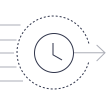
Test the whole conversation
Real conversations with kids unfold over days. Simulated youth personas run extended interactions with your product to find where safeguards slip as trust, context, and emotional intensity build, so you catch it before launch, not after.

Clear priorities, not just problems
Findings you can act on, not a vague risk report. Calibrated model judges and expert reviewers rate each failure by severity against a defined rubric and back it with real examples, so your team can prioritize fixes with confidence and measure progress against a baseline as your product evolves.
Independent results you can defend
PPH Protect isn’t owned by an AI developer or platform, and every product is scored against the same defined rubric. Walk into release reviews and compliance conversations with audit-ready, third-party evidence, not self-reported claims.
Secure, purpose-built evaluation
PPH Protect runs on Avocado, our evaluation engine, with expert review in pZero, our proprietary workbench, backed by 15 years delivering AI data services to companies like Google and Microsoft.
Built to grow across formats
Kids don’t just type. They talk, share images, and watch video. Testing runs in text today, and voice, image, and video testing are in active development on the same engine.
How PPH Protect Works
Expert-led youth safety testing
From localized personas to ongoing retesting, see how we find where your safeguards break down.

01
Build localized personas
Personas are built with child-development experts in each market, in young users’ own language, slang, and culture, not translated tests.
02
Run ‘real’ conversations
Simulated personas, never real children, hold long, multi-turn chats in text, with voice in development, to test if safeguards hold as trust builds.
03
Score every conversation
Calibrated model judges score each conversation against a defined rubric, and human experts review high-risk results.
04
Get actionable findings
Receive private risk ratings by category, age band, and locale, with flagged conversations and specific fixes.
05
Continuous retesting
Ongoing retests on a regular schedule catch silent regressions as they happen, and regular refreshes track new youth threats.
THE STAKES
Youth AI safety can’t wait
0 %
of kids ages 9–17 have used AI chatbots
1 in 0
crisis referrals missed by a leading teen AI mode
0
chatbot safety bills across 27 states
0
California’s deadline for independent child safety audits
Sources
- 2026, Common Sense Media
- 2026, Transparency Coalition
- 2026, State of California
Find the gaps before young users do
Start with a private evaluation pilot and see where your safeguards hold, where they slip, and what to fix first.